Whey nudges triglycerides but leaves cholesterol alone
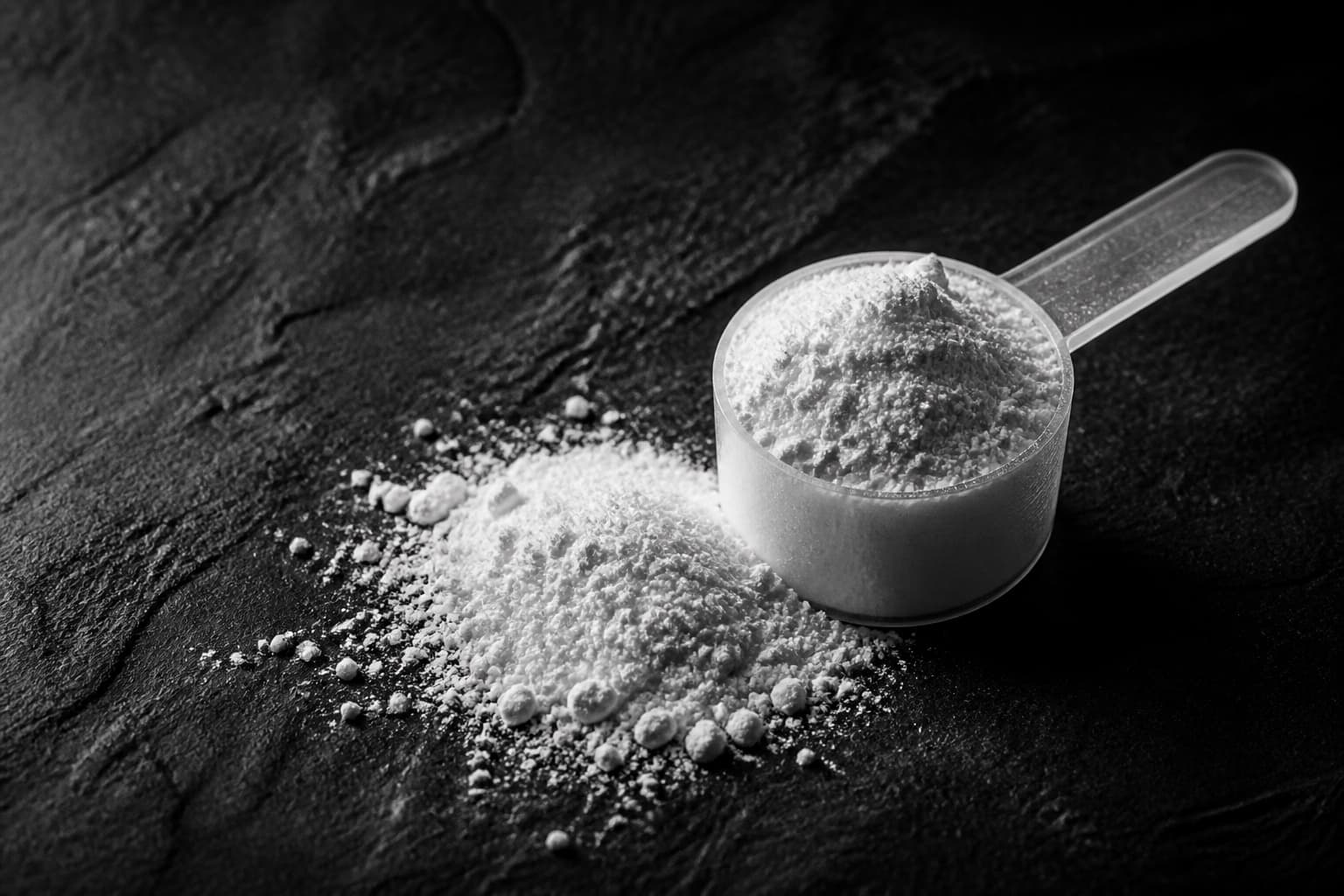
Pooling 13 randomised trials, whey protein supplementation lowered circulating triglycerides by a modest 0.11 mmol/l but had no effect on total cholesterol, LDL cholesterol or HDL cholesterol.
Compiled by FitTools from the study cited below
The citation, figures and study details on this page are taken mechanically from the source record. No human editor has reviewed it.
Added to Pulse 27 August 2026
- Study design
- Meta-analysis
- Evidence
- well supported
- Published
- 27 August 2026
Key takeaway
What it shows: Solid as far as it goes: results pooled from 13 trials found only a small triglyceride dip and nothing else moved, and even that dip vanished in leaner people, at lower doses, or when participants were also exercising or cutting calories. One author works for a dairy company, so keep that in view when weighing the framing.
Study details
- Design
- Meta-analysis
- Authors
- Zhang JW, Tong X, Wan Z, Wang Y, Qin LQ, Szeto IM, et al.
- Journal
- Eur J Clin Nutr
- Published
- 2016
- Added to Pulse
- 27 August 2026
Why it matters
Whey protein is one of the most widely used supplements in fitness, taken mainly for muscle rather than for the heart. Yet earlier studies had hinted that whey might also improve blood lipid profiles, the fats and cholesterol fractions that feed into cardiovascular risk. Those individual trial results were inconsistent, with some suggesting benefit and others showing nothing. Pooling them was the obvious way to work out whether a genuine effect exists, and if so how large it really is.
What they did
The authors searched the literature in March 2015 for randomised controlled trials testing whey protein and its derivatives against circulating levels of triacylglycerol, total cholesterol, LDL cholesterol and HDL cholesterol. Thirteen trials met their criteria and were combined in a meta-analysis. They also ran subgroup analyses to see whether results shifted according to participants' body mass index, the dose of whey supplemented, or whether the trial included exercise training or energy restriction. Finally they checked the pooled data for inconsistency between studies and for publication bias.
What they found
Across the 13 trials, whey supplementation reduced circulating triglycerides by 0.11 mmol/l, a statistically significant but modest change. Total cholesterol, LDL cholesterol and HDL cholesterol did not move: the pooled changes of -0.11, -0.08 and 0.01 mmol/l respectively were all non-significant. Even the triglyceride benefit was fragile, disappearing in subgroups with lower body mass index, lower whey doses, or where participants were also exercising or restricting calories. The authors found no evidence that the trials disagreed with each other, nor of publication bias.
Where it fits
This pooling helps settle a genuinely mixed literature. Where single trials had pointed in different directions, the combined picture is that whey's effect on blood lipids is modest at best, confined to triglycerides, and absent for the cholesterol measures most people care about. It leaves open whether higher doses, longer trials or particular populations might respond differently, and it says nothing about whey's better-established roles in supporting protein intake and muscle. The dairy-industry affiliation of one author is also worth keeping in view when weighing the framing.
What it means for you
If you take whey for its usual purpose, nothing here argues against it, and there may be a small side benefit for triglycerides if you carry more weight and use a decent dose. What the evidence does not support is the idea that whey meaningfully improves cholesterol. Anyone hoping a protein shake will shift their LDL or HDL numbers has, on this pooled evidence, no reason to expect it. Blood lipid goals are better thought of as a separate project from whey supplementation.
The source
Effect of whey protein on blood lipid profiles: a meta-analysis of randomized controlled trials. Eur J Clin Nutr 2016
DOI: 10.1038/ejcn.2016.39
Read the study →Related tools & guides
Related studies
- Curcumin cuts triglycerides and LDL enough to matter clinicallywell supported · human data
- Probiotics nudge cholesterol down, but only by a littlepreliminary · human data
- Walnuts moved one blood fat and nothing else in metabolic syndromewell supported · human data
- Olive oil's bitter compounds nudge cholesterol and insulin downpreliminary · human data
More research, with the reality check: every study we hold → · this week’s → · or open the full Pulse feed →